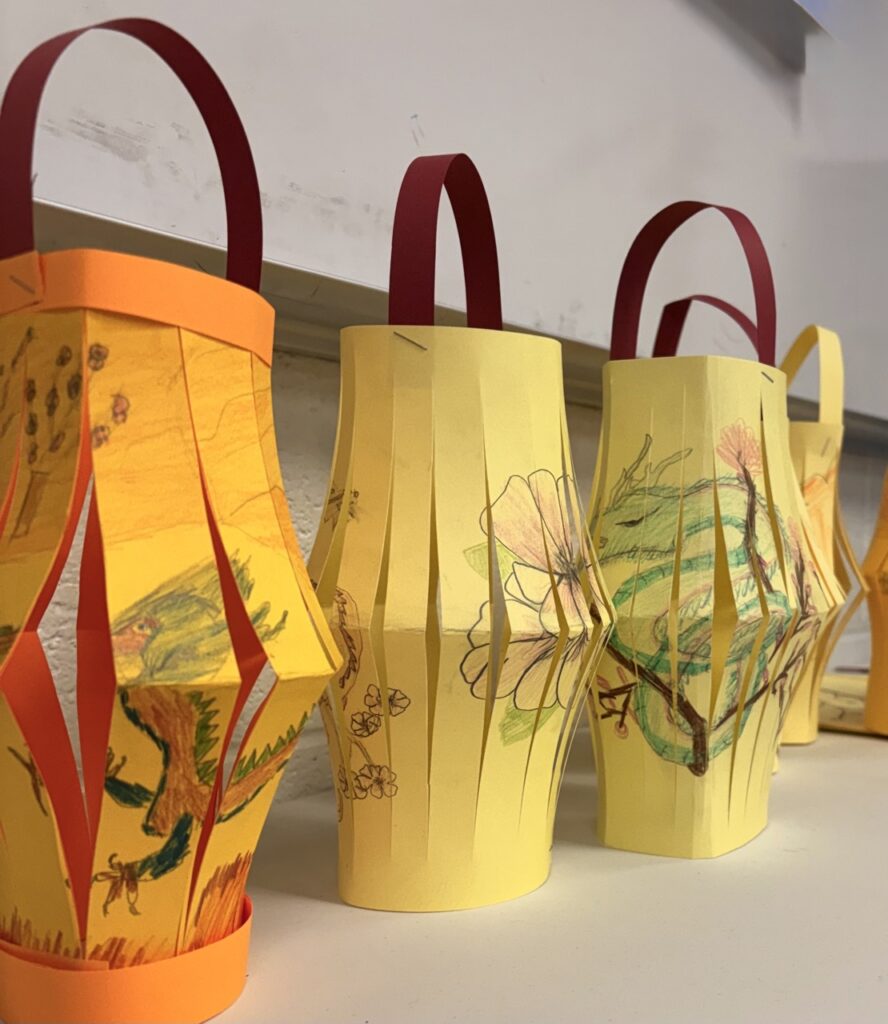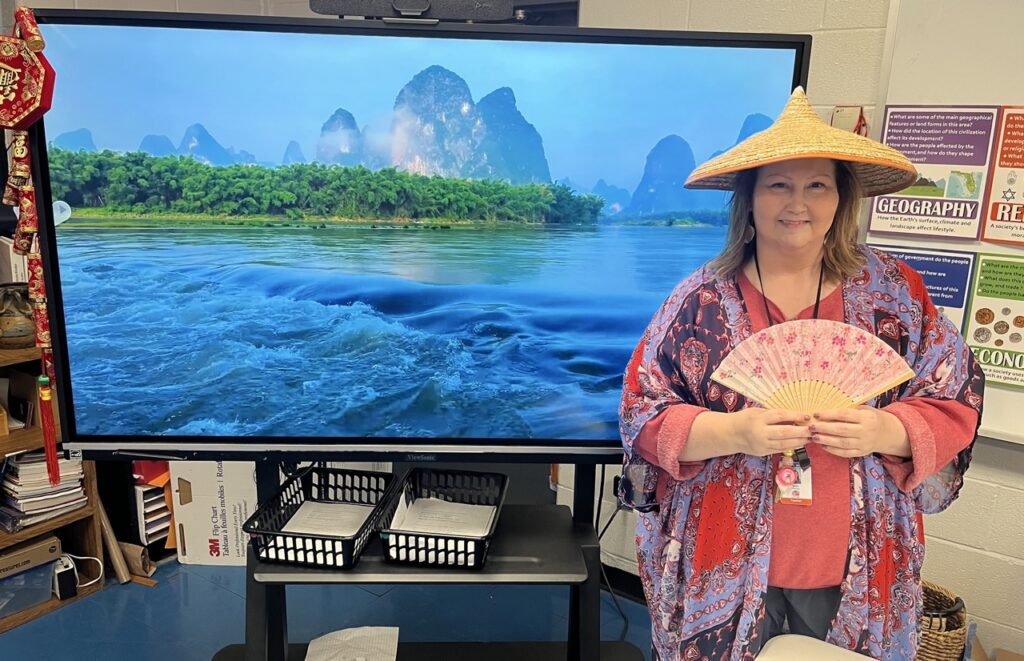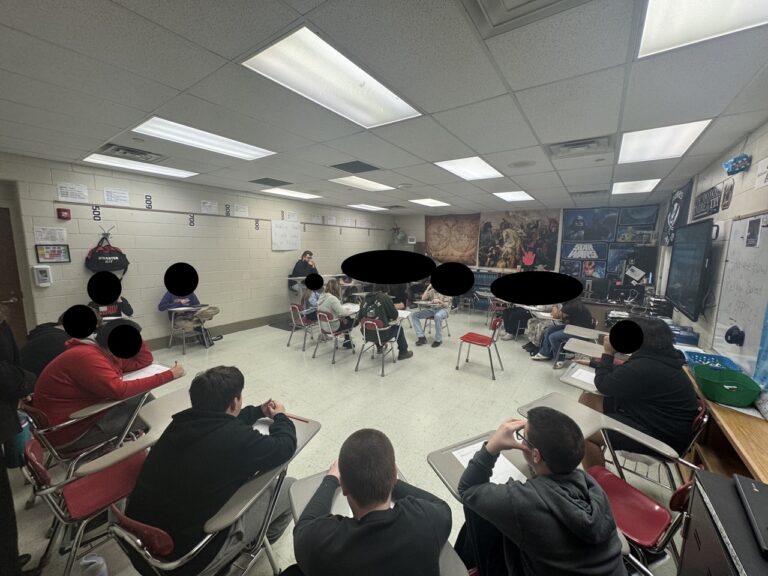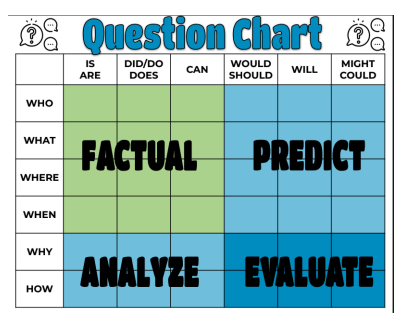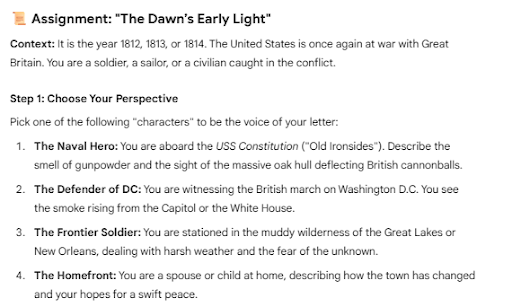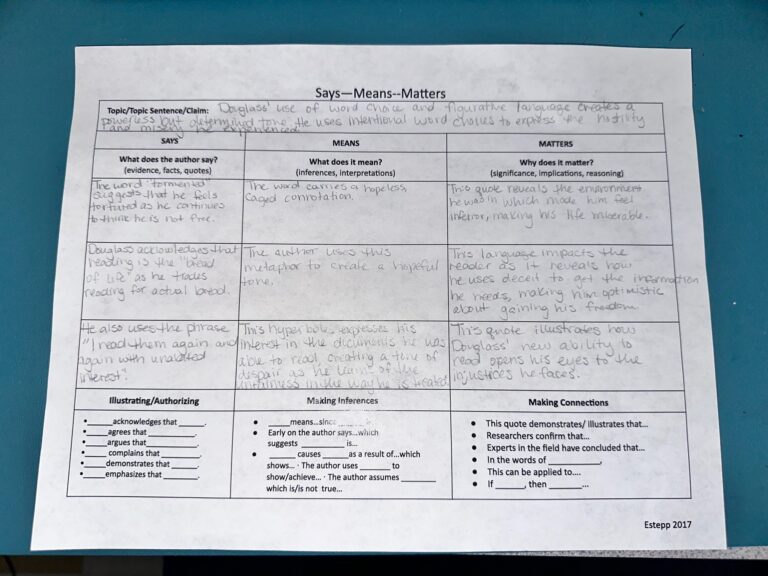
Students investigated how China’s natural barriers—like the Gobi Desert and the Pacific Ocean—led to its early isolation. We discussed why the Huang He (Yellow River) was known as both “China’s Pride and Sorrow,” and how its fertile loess soil sparked the birth of Chinese agriculture.
The Mandate of Heaven and Politics
How do you justify a change in leadership? We tackled the Mandate of Heaven, the ancient belief that rulers had divine approval to lead—as long as they stayed just and effective. We compared the strict Legalism of the Qin Dynasty (and the building of the Great Wall) with the more balanced approach of the Han.
Philosophy and Religion
Classroom debates grew lively as we explored the “Three Ways” of Chinese thought:
Confucianism: Focusing on respect, family (filial piety), and social order.
Taoism: Emphasizing harmony with nature and the “flow” of life.
Buddhism: Looking at how this faith traveled the Silk Road to offer peace during times of unrest.
Achievement and Economics
Did you know we have Ancient China to thank for the paper in our notebooks and the compasses on our phones? Students explored how silk, spices, and ideas were exchanged across thousands of miles along the Silk Road trade route.
Social Structure
We wrapped up by analyzing the unique social hierarchy of Ancient China, noting the high status of scholars and the surprisingly vital role of farmers, who were often ranked higher than wealthy merchants because they provided the food that sustained the empire.
Cultural Spotlight: The Art of the Chopstick
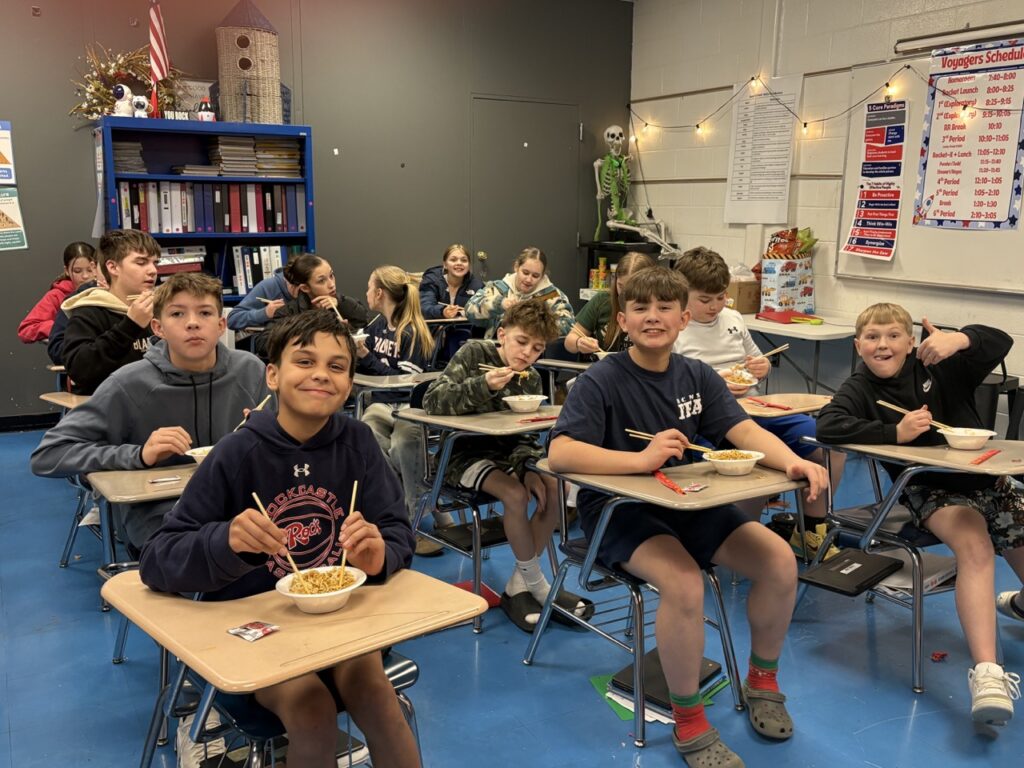
One of the most enduring symbols of Chinese culture is the chopstick (or kuàizi). Our students learned that these weren’t just eating utensils—they were a reflection of Chinese values and philosophy.
Beth Ponder
Rockcastle County Middle School
6th grade Social Studies