This fall, my seventh-grade students brought early American history to life through an interdisciplinary Wax Museum experience made possible because of the work and resources I’ve gained as part of the KEDC EPIC Grant. As part of our study of the Colonial period and the American Revolution, students paired historical inquiry with literature by reading Chains by Laurie Anderson. Together, these texts helped students look at history not just as a timeline of events, but as real people making complicated choices in difficult moments.
Students began the project by taking an AI-created “historical match” quiz that I designed to spark curiosity and help them narrow their research focus. After this quiz, each student selected a historical figure—either American or someone whose influence significantly shaped American history—while gifted students researched influential local figures from Pineville’s own past. Using primary sources whenever possible, students examined documents to help them really learn about and understand their chosen historical person. They then used SchoolAI to have conversations with their historical figures, asking questions not just about what these individuals did, but who they were: what they valued, how they spoke, and how they might approach certain situations. One student shared, “It didn’t feel like I was just memorizing facts. It felt like I actually knew my person and understood why they made the choices they did.”
Those conversations helped students move from research into writing. Each student was then tasked with writing an original, first-person speech from the perspective of their historical figure, focusing on an important event in that person’s life or persuading the audience about an issue that would have mattered deeply to them. Many students revised their speeches multiple times—especially after practicing out loud or putting on parts of their costume and realizing what did (and didn’t) sound natural. Along the way, students were practicing research, critical thinking, writing, and public speaking while also learning how to use AI tools thoughtfully and responsibly. This project pushed students to think across content areas—history, literacy, technology, and performance—while giving them real ownership of their learning.
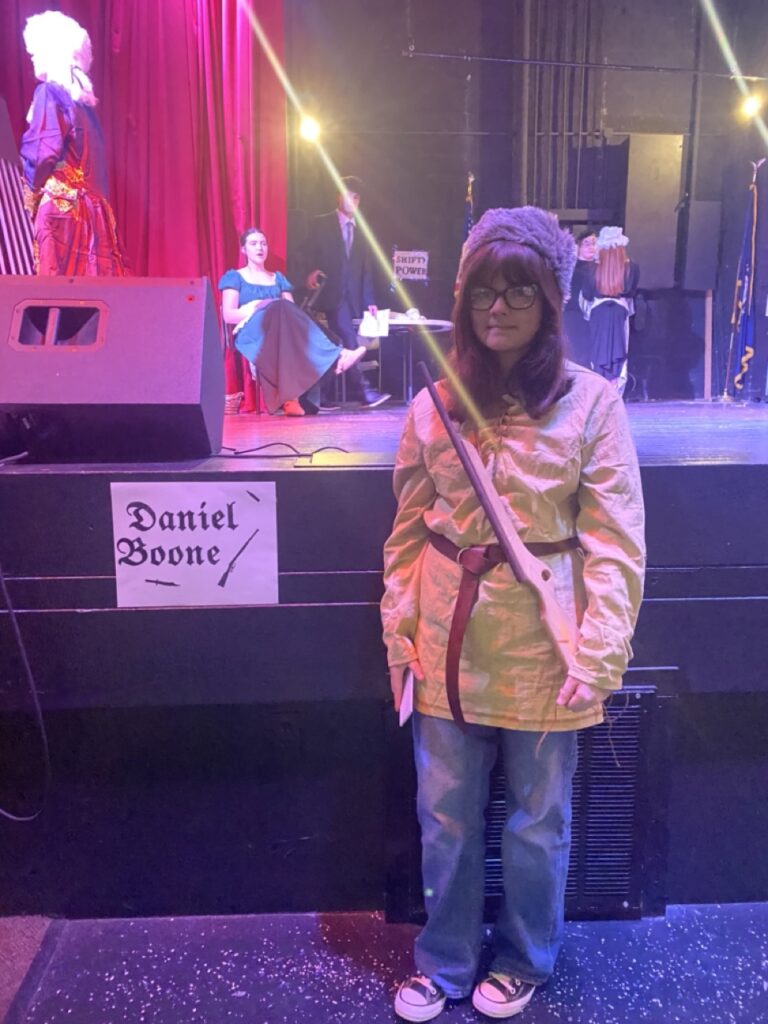
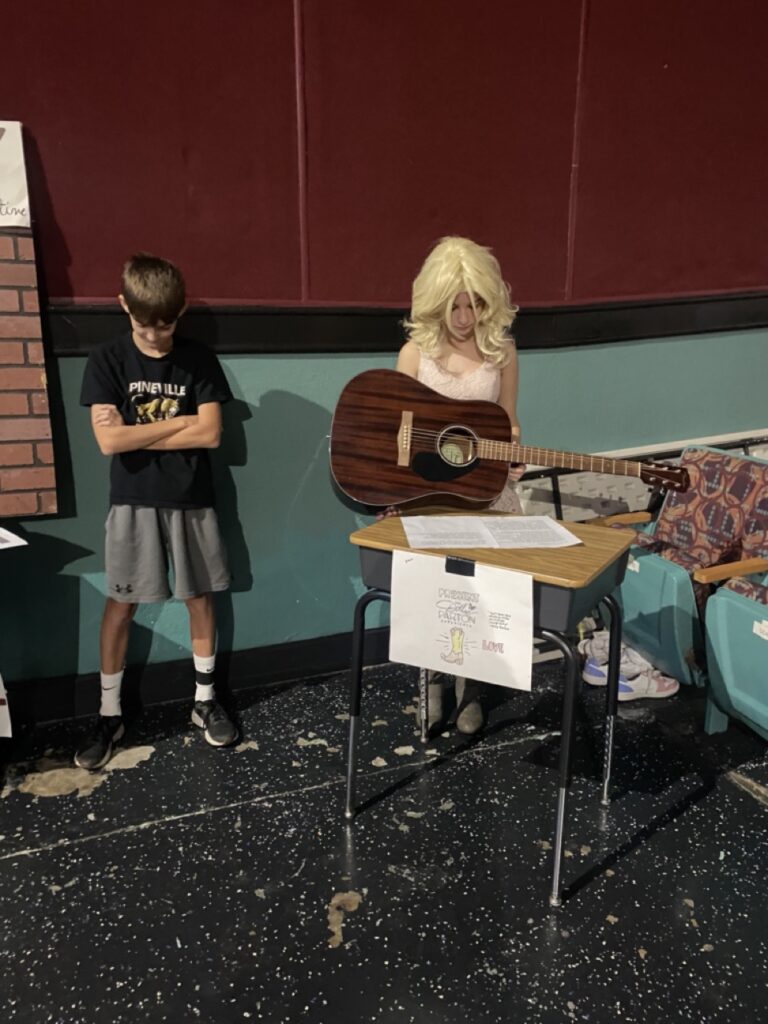
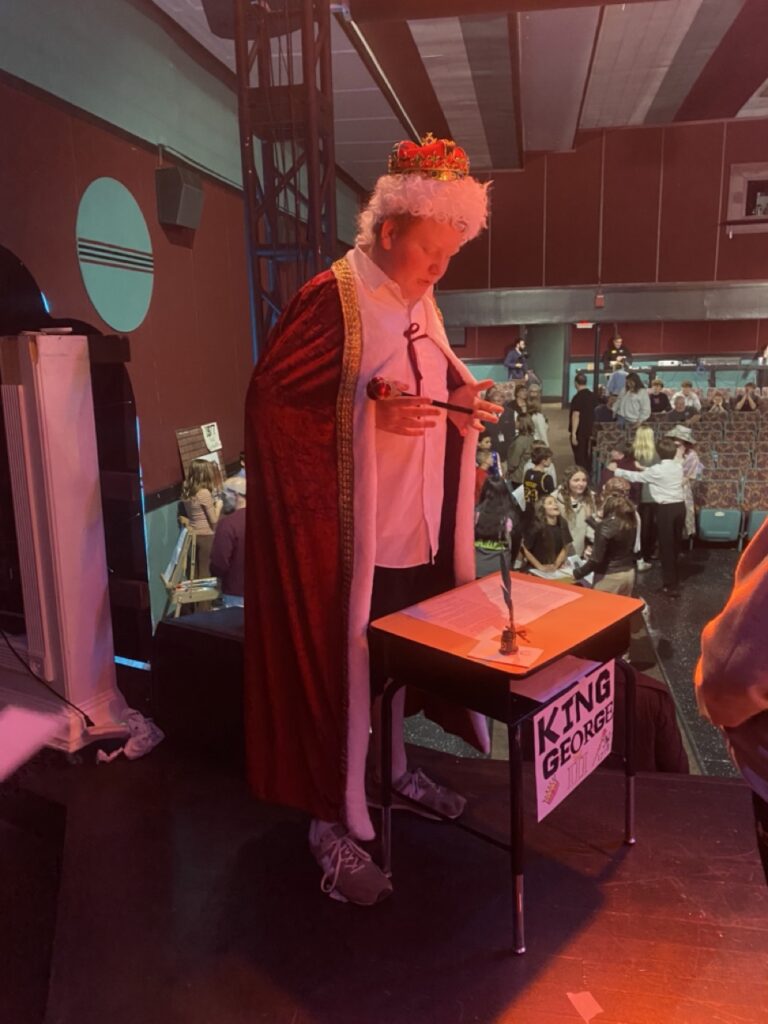
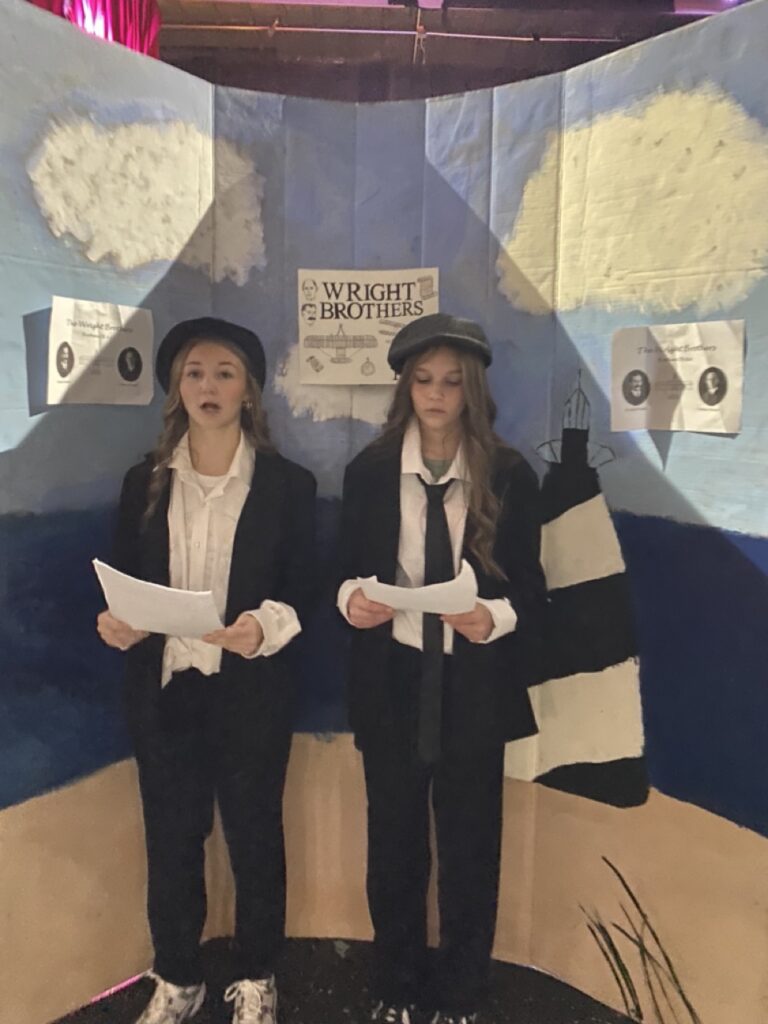
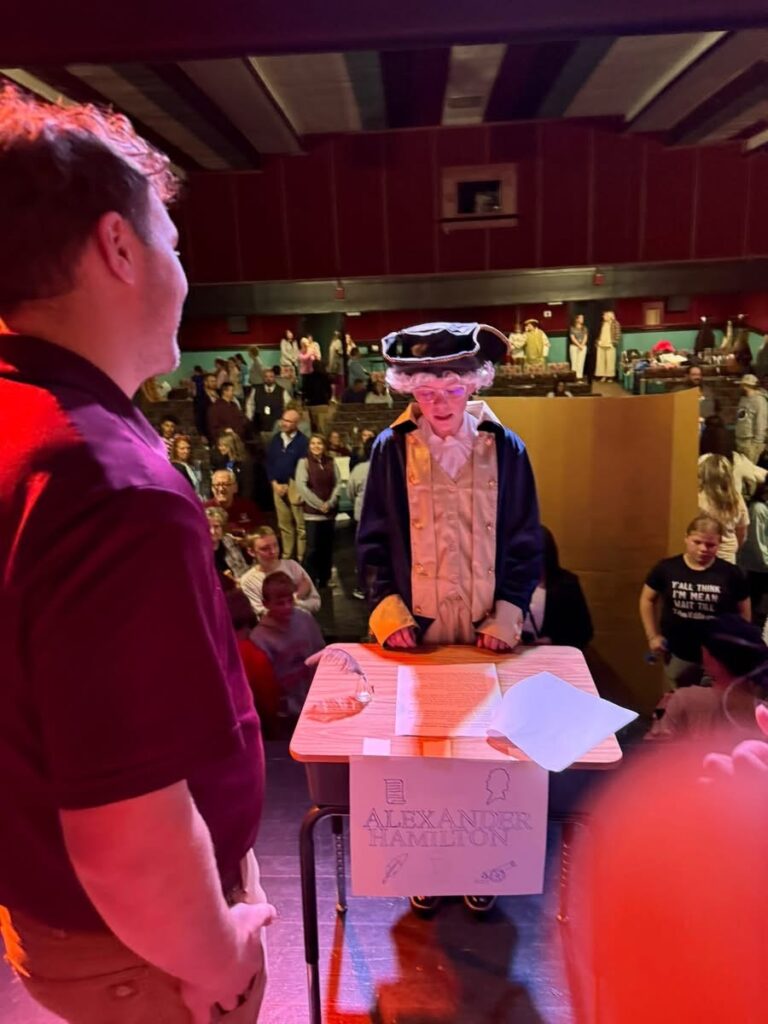
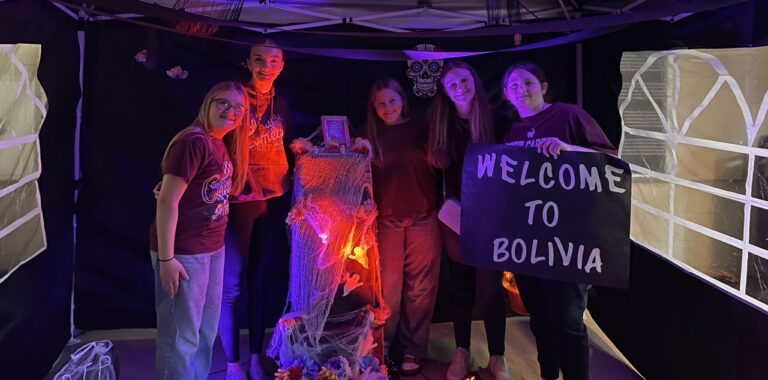
The project culminated in a community Wax Museum event held at the Bell Theater which we transformed into a living history fair for the day. Students designed backdrops, gathered costume pieces and props, and stayed in character as they delivered their speeches and answered questions from visitors. Families, community members, and fellow students attended, and KET visited to capture footage of the event.
This Wax Museum showed us what can happen when students are given meaningful work, a real audience, and the chance to connect their learning beyond the classroom walls. As one community member reflected, “Seeing our students speak so confidently—and hearing them tell both national and Pineville history—made me proud of our kids and our community.” It was more than a history project, it was an opportunity for students to see themselves as historians, writers, and storytellers. I encourage my fellow KEDC educators to consider interdisciplinary, community-centered projects like this in their own classrooms and to look for ways local history, primary sources, and responsible technology use can help students bring learning to life in authentic and powerful ways.
Kim Yates
Pineville Middle School
Pineville Independent Schools
6th and 7th Grades