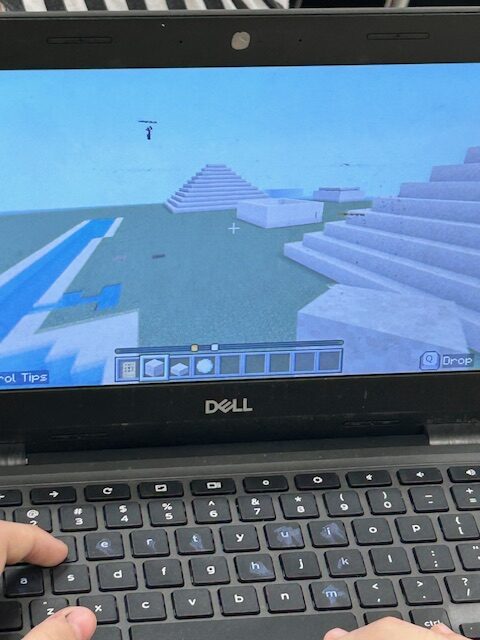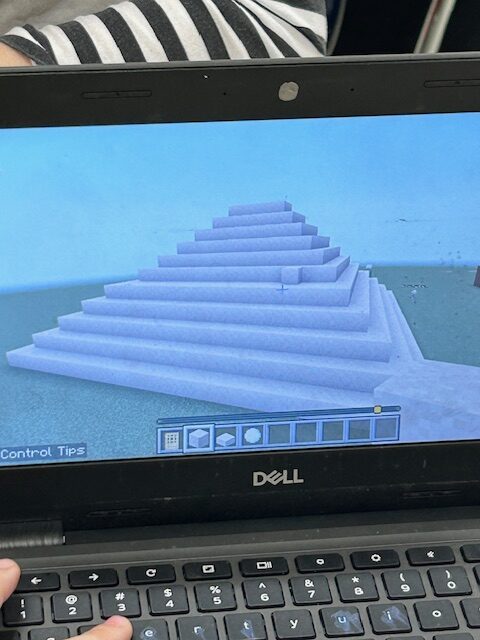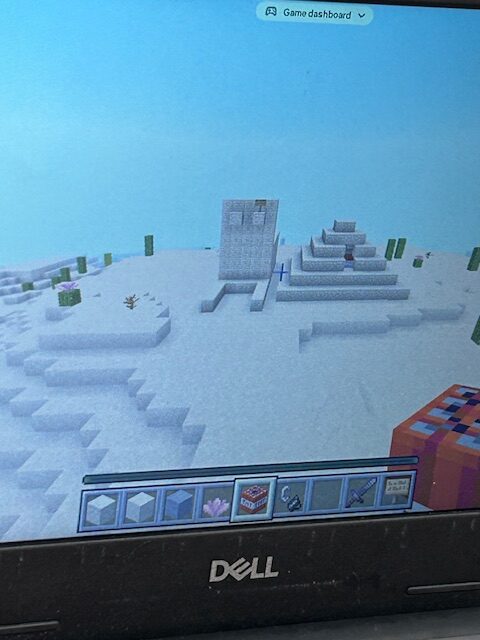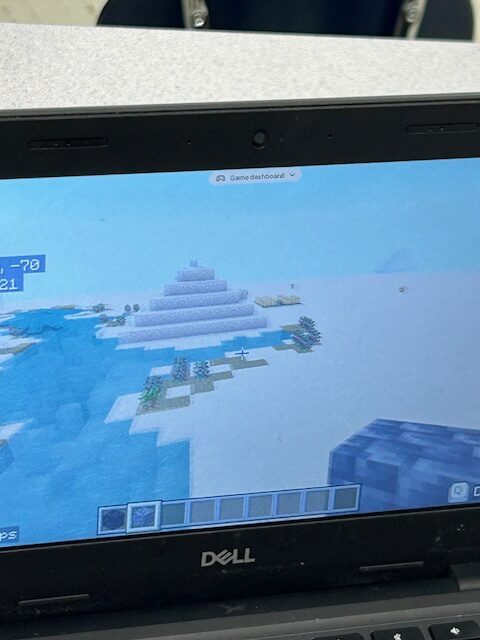
This semester, our students explored the geography and architecture of Ancient Egypt in an innovative and engaging way — through Minecraft Education. Rather than only reading about the Nile River or viewing images of pyramids, students were able to build, explore, and analyze how geography shaped Egyptian civilization.
Using Minecraft Education, students recreated key geographic features such as the Nile River, surrounding deserts, and fertile floodplains. Through this hands-on experience, they gained a deeper understanding of how predictable flooding supported agriculture, how natural barriers provided protection, and why settlements developed along the river. This immersive approach helped students see geography not just as a map, but as a powerful force influencing culture, trade, and government.
Students also designed and constructed architectural structures inspired by ancient Egypt, including pyramids, temples, and irrigation systems. As they built, they examined how engineering, available resources, and religious beliefs influenced architectural design. Discussions centered around questions such as: Why were pyramids shaped the way they were? How did geography impact building materials? What does architecture reveal about social structure and belief systems?
This project encouraged collaboration, critical thinking, and problem-solving while reinforcing key social studies standards. By combining creativity with historical analysis, students moved beyond memorizing facts and began thinking like historians and engineers.
Minecraft Education continues to be a powerful tool in helping students connect the past to the present — and in making ancient civilizations feel anything but ancient.
Melissa Renner
Rockcastle County Middle School
Rockcastle County
6th Grade