The Crawford Chronicle
Empowering Voices, Challenging Minds | Spring Edition 2026
Classroom Spotlight: Bringing Ancient Ideas to Life
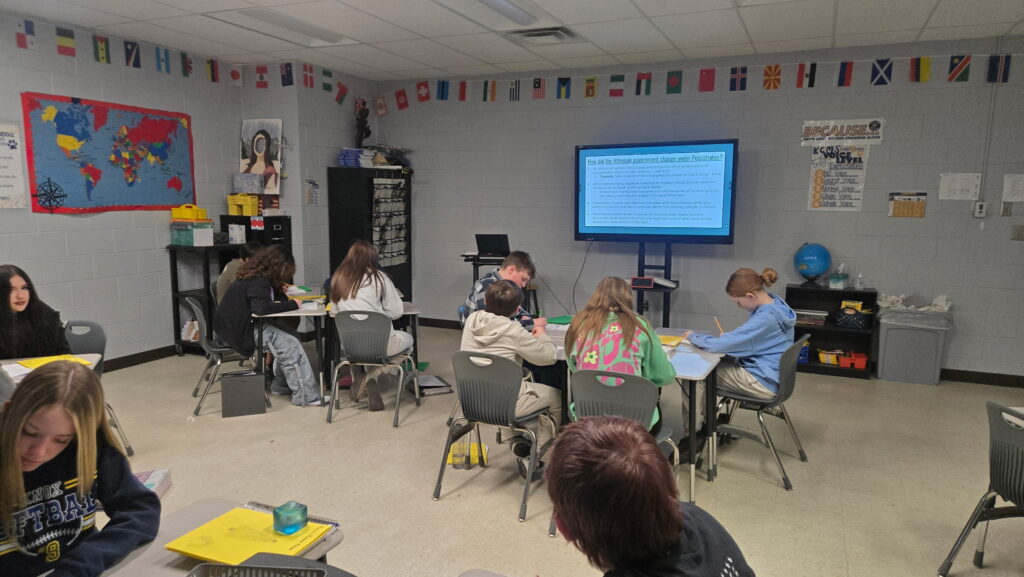
Step into Mr. Crawford’s Social Studies class and you’ll notice something right away—history feels alive. It’s not just timelines and maps on the wall. It’s big decisions, tough trade-offs, and the kind of questions leaders have wrestled with for centuries.
This month, students have been exploring different systems of government—not just memorizing definitions, but really digging into the “why” behind them. Instead of simply learning what a monarchy or democracy is, they’re asking questions like: Would I trust this system in a crisis? Would it protect people? Would it be fair?
By connecting ancient political ideas to modern-day situations, Mr. Crawford challenges students to think beyond the textbook. The goal isn’t to recall facts for a quiz—it’s to understand how power works and what responsible leadership looks like.
The Main Event: The Fishbowl Discussion
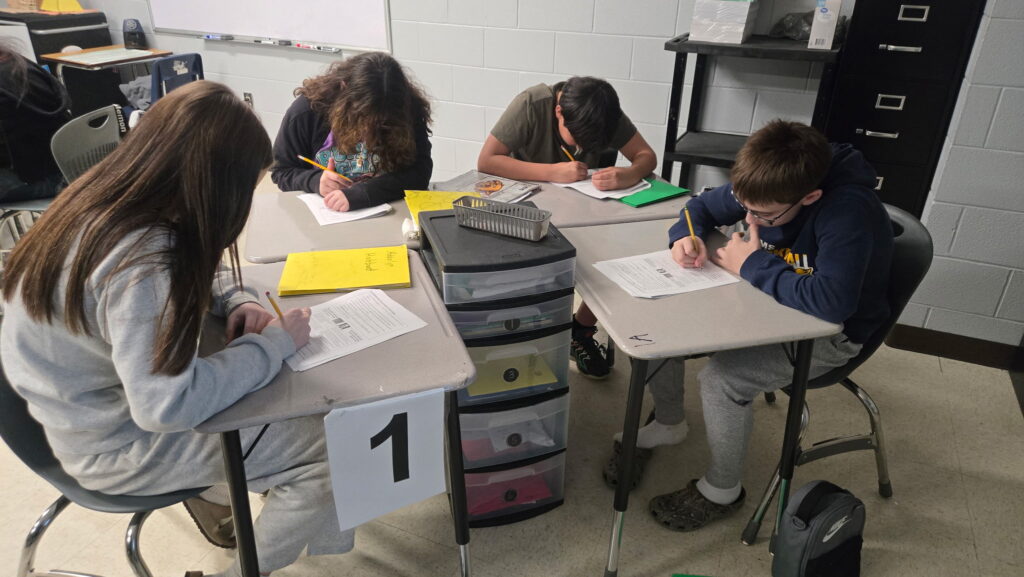
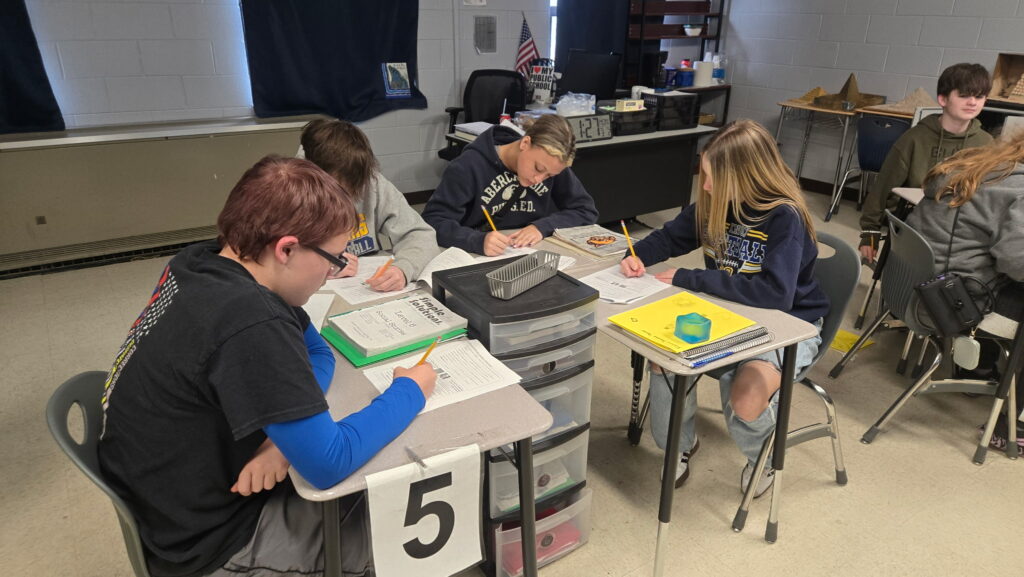
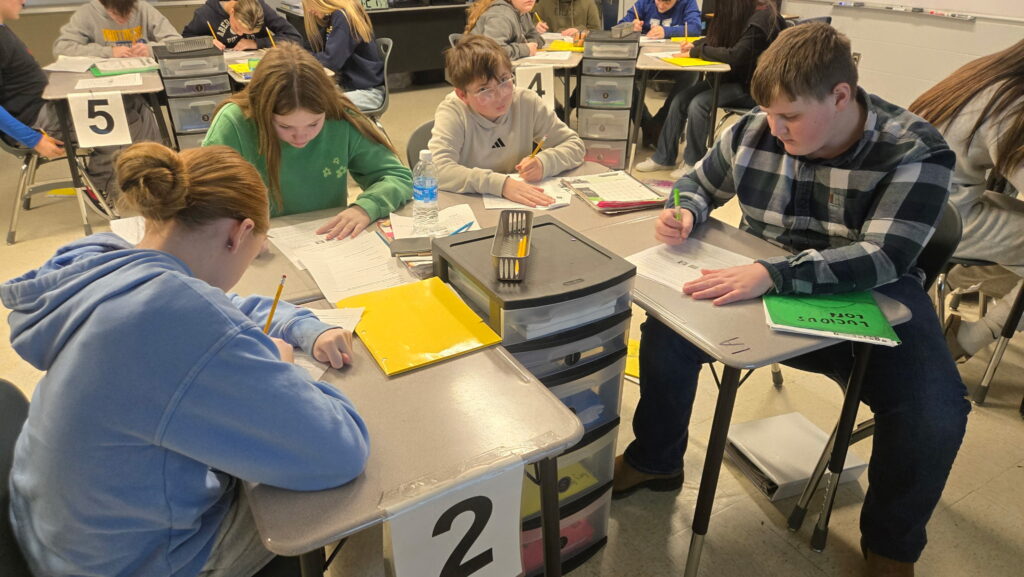
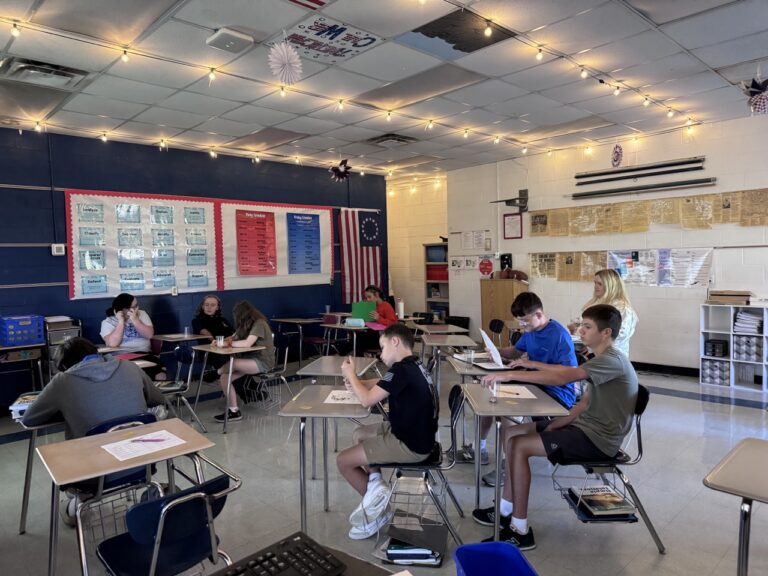
To put their thinking to the test, students took part in a Fishbowl Discussion. In this format, a small group sits in the center and holds a focused, evidence-based debate while classmates observe from an outer circle, listening carefully and tracking the strength of each argument.
The room buzzed with energy as students tackled some of the toughest questions of the semester.
- Speed vs. Voice: The Crisis Dilemma
The Question: If your city-state was under immediate attack, would you rather have a monarchy or a democracy in charge? Is having a voice worth the risk of a slower response?
Students debated the balance between quick decision-making and fair representation. One argued, “A fast decision is useless if it’s the wrong one.” Another pushed back: “In a war, discussion can cost lives.” The conversation wasn’t about right or wrong—it was about weighing real consequences. - The Wealth Gap in Leadership
The Question: What’s the risk of allowing only wealthy or “successful” people to run a government? What perspectives might be missing?
Here, students examined the idea of business-minded leadership. They talked about empathy, lived experience, and whether financial success automatically makes someone an effective public servant. The discussion uncovered possible blind spots when leaders haven’t experienced the challenges faced by everyday citizens. - The “Robin Hood” Paradox
The Question: Is a government still “good” if it helps the poor but ignores the law to stay in power? Does the end justify the means?
This sparked the most passionate exchange of the day. Students weighed the benefits of social programs against the long-term damage that can come from weakening the rule of law. Could a democracy survive if its legal foundations were chipped away—even for a cause that seems just?
Why It Matters
The Fishbowl method does more than spark lively conversation. It teaches students how to disagree respectfully, support claims with evidence, and truly listen to opposing viewpoints.
As Mr. Crawford puts it, “The best moment is when I hear students shift from ‘I think’ to ‘The evidence suggests.’ That’s when I know real learning is happening.”
In this classroom, history isn’t just something to study. It’s something to practice.